

All over the world, cement is one of the most important building materials. Whether for houses, bridges or tunnels, we cannot imagine our modern world without it. Join us for a short tour to experience how cement is made: starting with the extraction of raw materials and ending with the finished product.
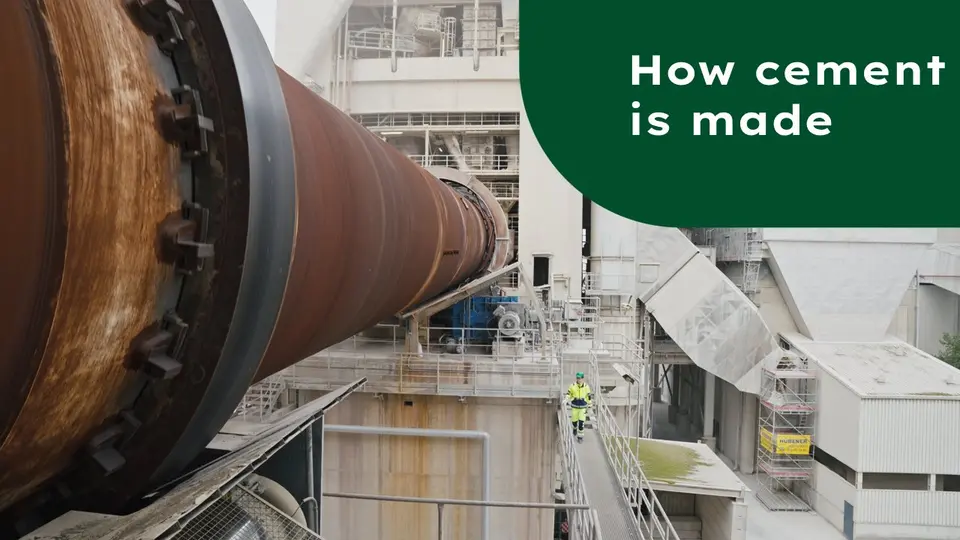
Video in German, English subtitles can be displayed
Extracting raw material
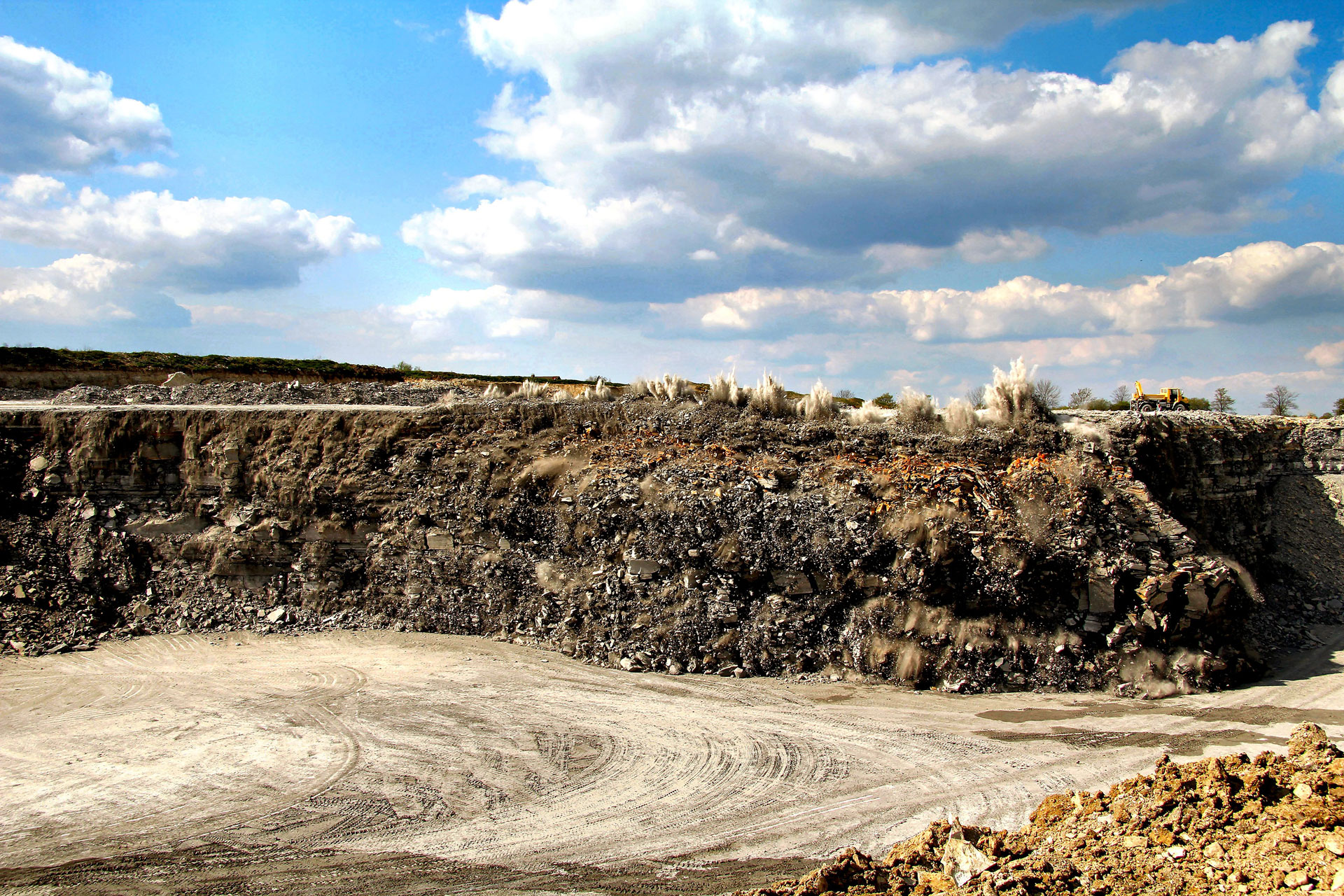
Blasting and ripping
The most important raw materials for making cement are limestone, clay, and marl. These are extracted from quarries by blasting or by ripping using heavy machinery.

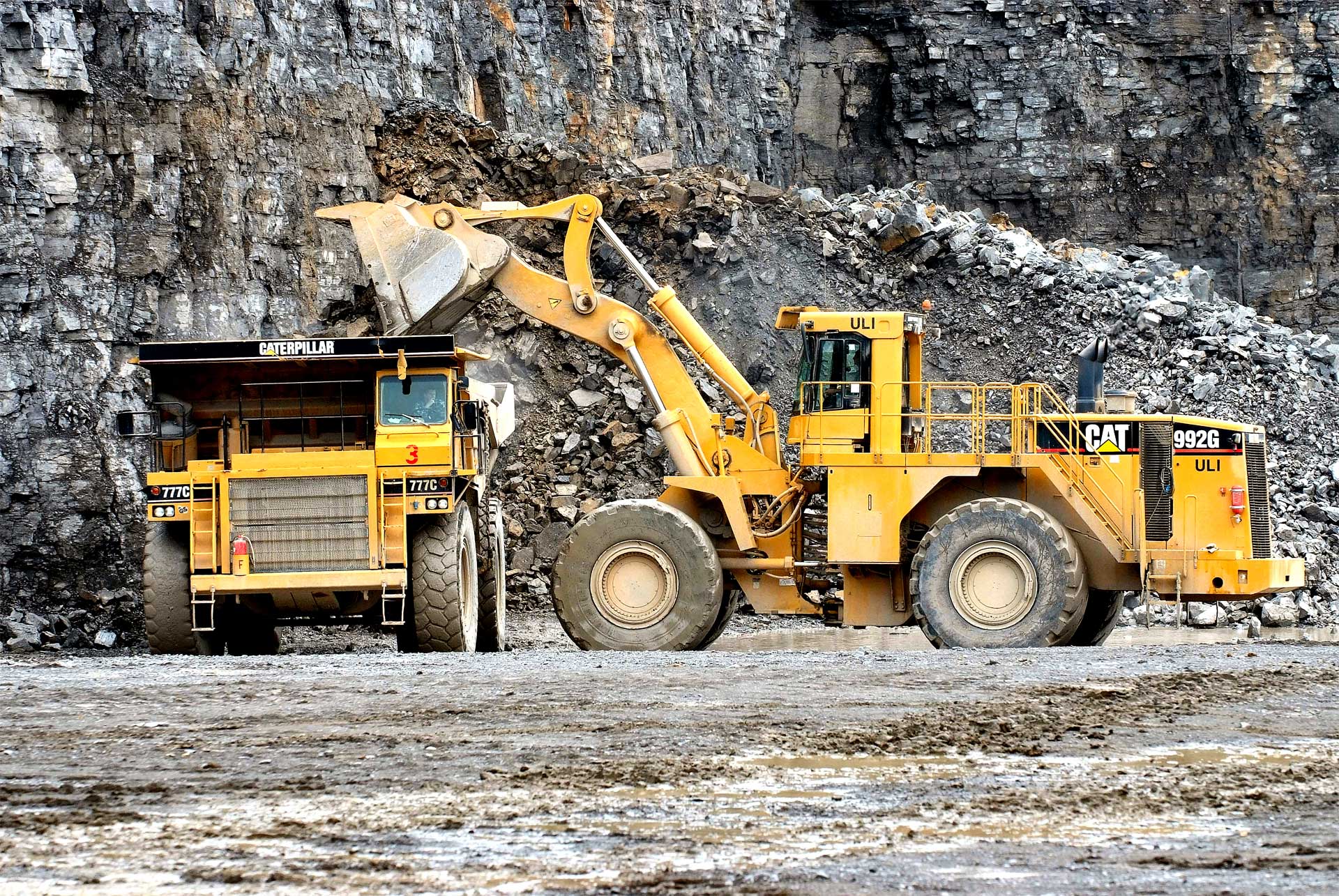
Crushing and transportation
Wheel loaders and dumper trucks transport the raw material to the crushing installations. There the rock is broken down to roughly the size used in road metalling.

Raw material preparation
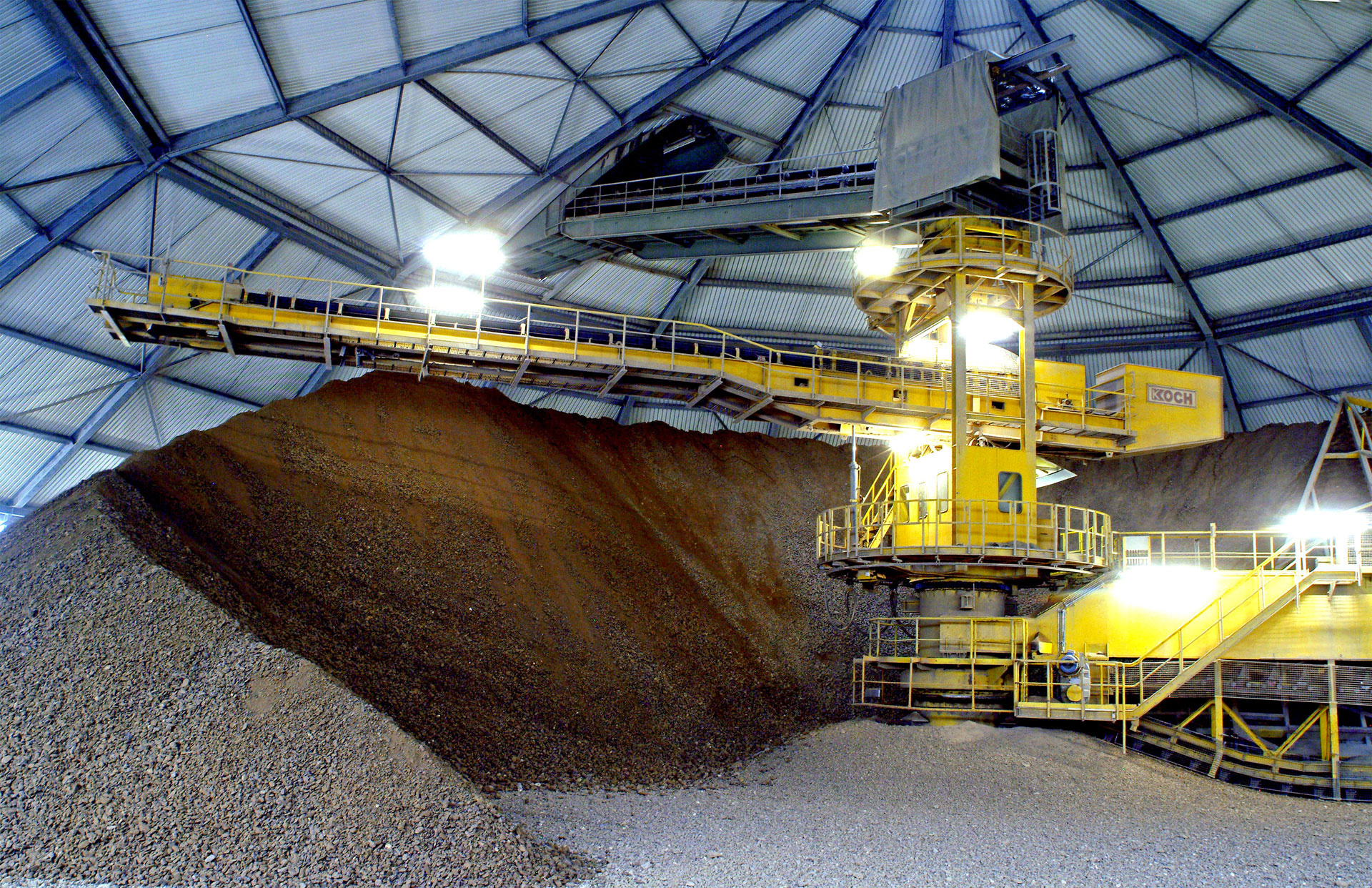
Storage and homogenisation
The crushed material is transported into the raw material storage of the cement plant by conveyor-belts, cableways or railways and also in exceptional cases with trucks. Once there it is stored in blending beds and homogenised.

Drying and raw grinding
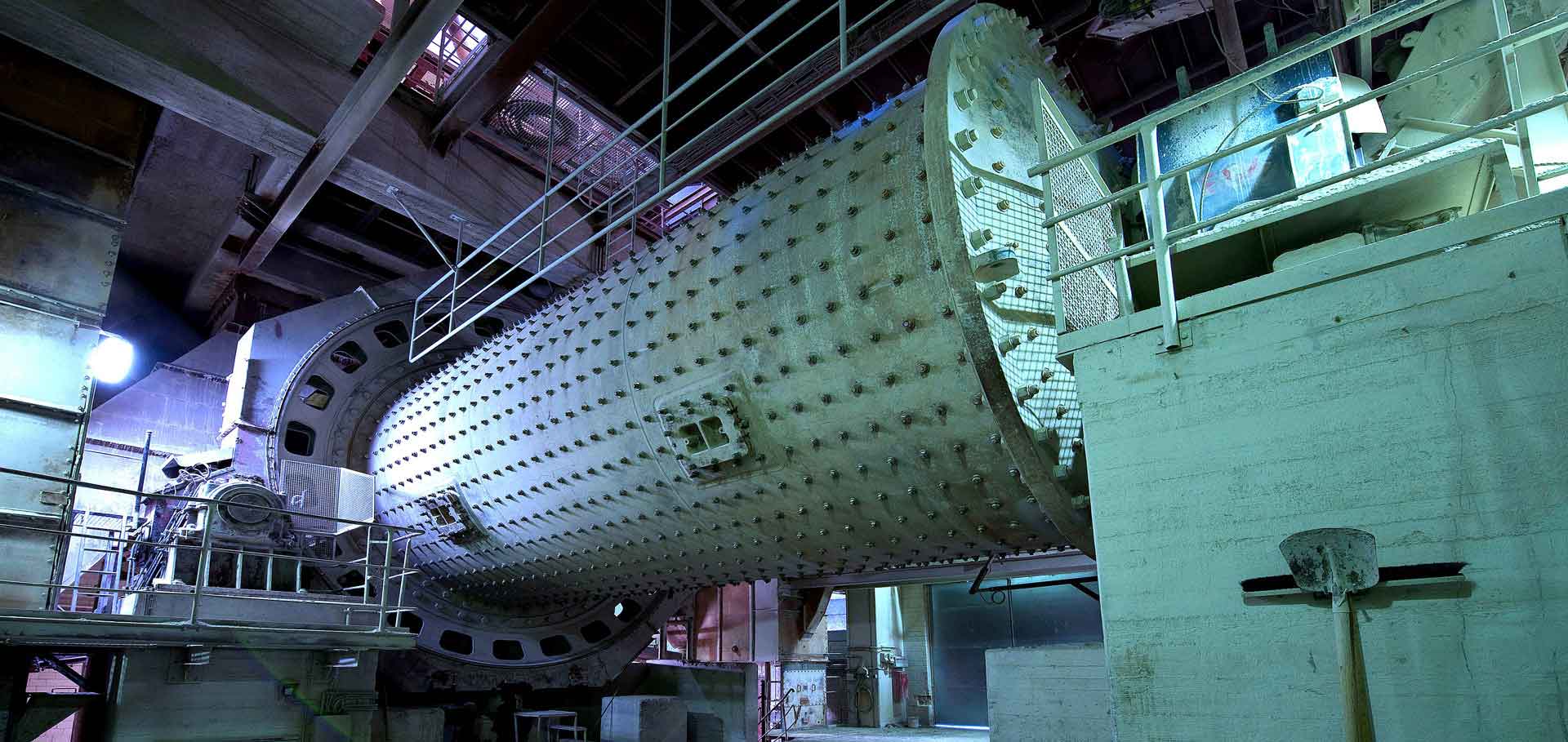
The desired raw mix of crushed raw material and the additional components required for the type of cement, e.g. silica sand and iron ore, is prepared using metering devices. Roller grinding mills and ball mills grind the mixture to a fine powder at the same time as drying it, before it is conveyed to the raw meal silos for further homogenisation.

Burning and clinker grinding
Burning
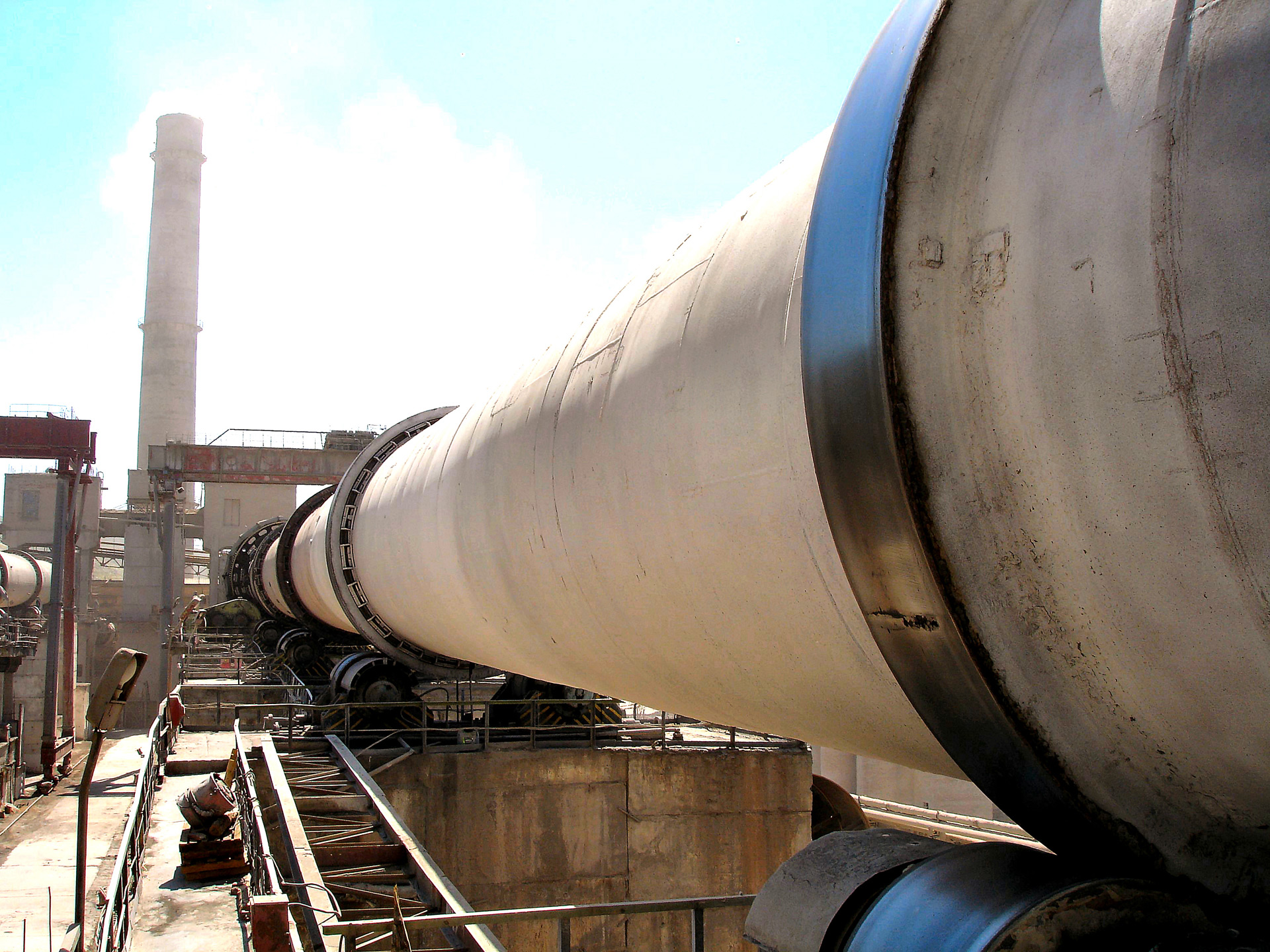
The burning of the raw meal at approx. 1,450°C is carried out in Lepol or preheater kilns that work by varying methods, the main difference being in the preparation and preheating of the kiln feed. By chemical conversion, a process known as sintering, a new product is formed: clinker.

Clinker grinding
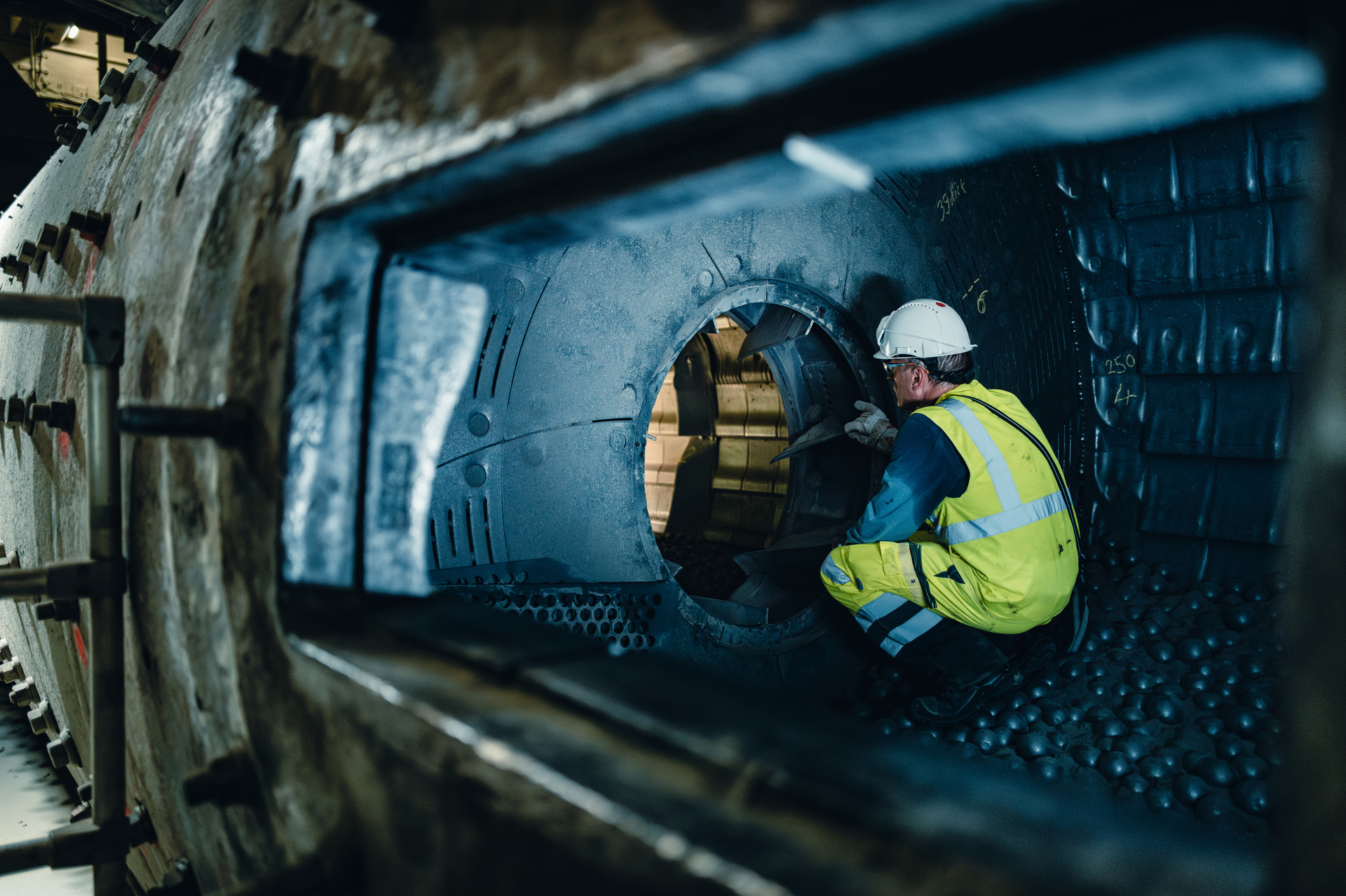
After burning, the clinker is cooled down and stored in clinker silos. From there the clinker is conveyed to ball mills or roller presses, in which it is ground down to very fine cement, with the addition of gypsum and anhydrite, as well as other additives, depending on the use to which the cement is to be put.


Carbon capture, utilisation, and storage (CCUS)
Deploying carbon capture, utilisation, and storage (CCUS) is of utmost importance for the cement industry, since ⅔ of the direct emissions come from the calcination of limestone into cement clinker during the burning process in the cement kiln. Because we cannot change chemistry, these emissions are unavoidable.
Loading and shipping
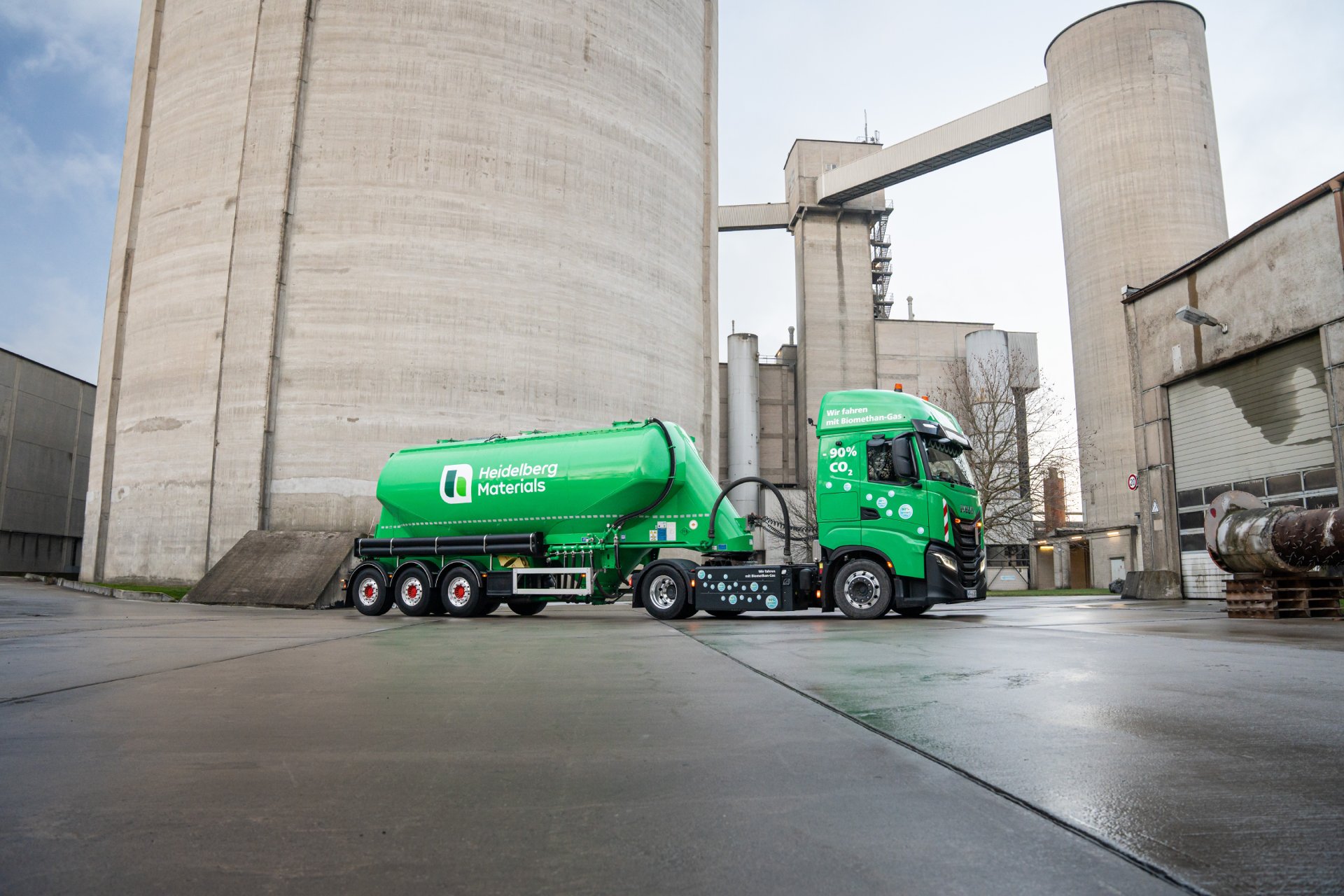
The finished cement is stored in separate silos, depending on type and strength class. From there it is mainly loaded in bulk form from terminals onto rail or road vehicles as well as onto ships. Only a small proportion of the cement reaches the customer in the form of bags that have been filled by rotary packers and stacked by automatic palletising systems.

Quality control and environmental responsibility
Quality control
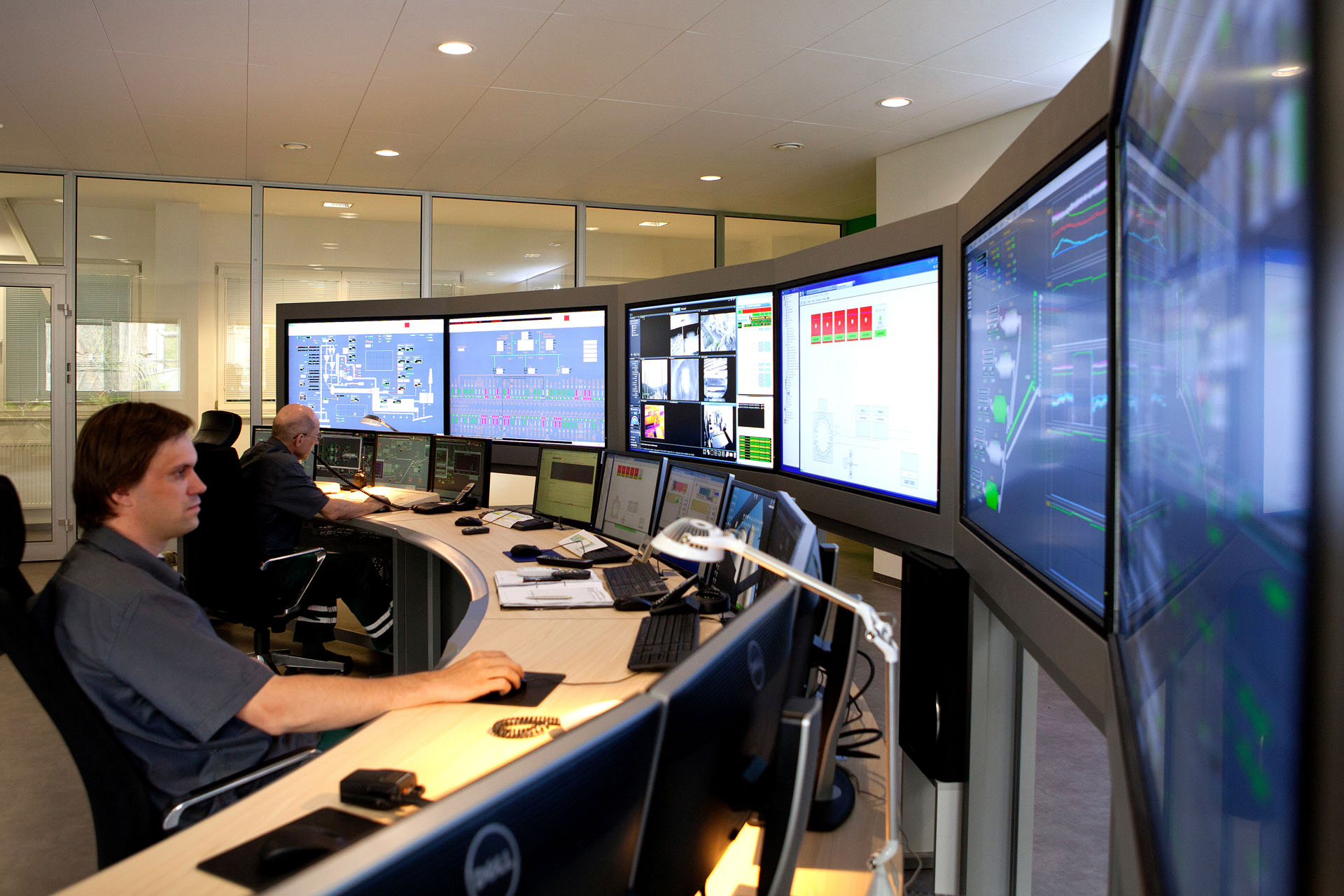
Quality is of paramount importance. This is why the whole production process is monitored and controlled from a central control room where all the data from the plant and the laboratory come together. Highly qualified production controllers operate and safeguard the plant.

Environmental responsibility
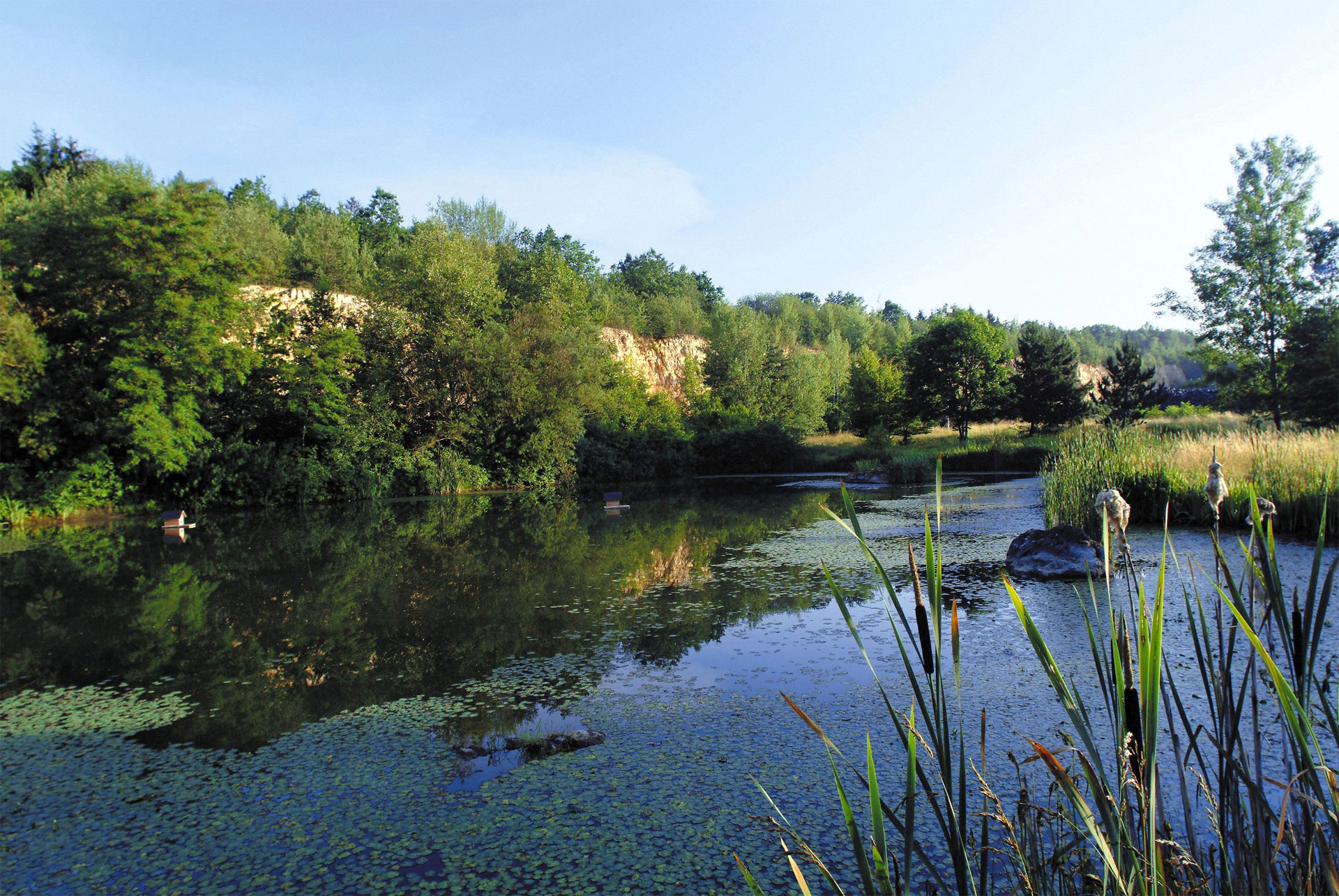
The quarries from which the company extracts its raw materials are returned to a natural state or put to agricultural use. Heidelberg Materials is increasingly opting for renaturation, thus helping to preserve biological and species diversity. With efficient production processes and the increasing use of alternative fuels and raw materials, the company reduces CO₂ emissions in line with its decarbonisation roadmap.

Group-wide standards for environmental protection and occupational health and safety help to ensure that the ambitious goals are implemented worldwide.